African Flag Embroidery Review
When I first opened the African Flag design file, my immediate reaction was one of curiosity mixed with professional skepticism. As someone who has spent years reviewing digital assets for both personal passion projects and commercial client work, I know that a pretty preview image often hides stitching nightmares waiting to happen. This isn't just another generic flag; it is an Africa-inspired piece meant to represent the vibrant spirit of a specific nation on the continent. The question wasn't whether it looked good on a screen, but how it would translate into thread, fabric, and a finished product that customers would actually want to wear or display.
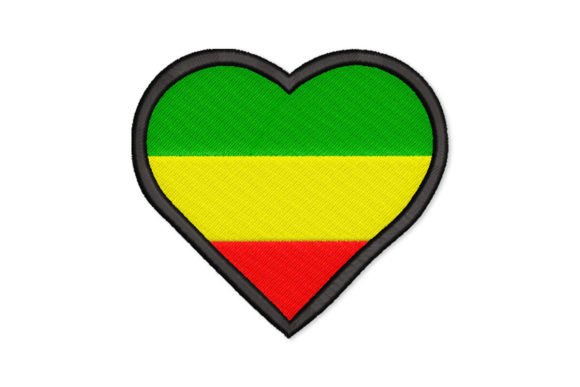
The visual personality of this African Flag design is bold and confident. It carries a strong sense of identity, which is exactly what you need when creating items for a boutique shop or a handmade gift collection. The layout feels balanced, avoiding the cluttered look that plagues many low-quality embroidery files. However, the true test of any embroidery design happens under the needle, not in the software preview. I decided to put this file through its paces by planning a custom tote bag project intended for a local craft fair, a scenario where durability and visual clarity are non-negotiable.
Real-World Performance in Custom Apparel and Accessories
Imagine you are preparing a batch of custom embroidered tote bags for a small business launch. You need something that screams quality and cultural pride without looking like a mass-produced souvenir. The African Flag design fits this niche perfectly. When stitched onto a sturdy canvas tote, the colors pop against the natural fiber, creating a striking contrast that draws the eye immediately. The design handles well on larger surface areas like sweatshirts, aprons, and pillow covers, where there is ample room for the pattern to breathe.
For a small shop owner or an Etsy seller, the versatility here is key. This digital embroidery file can easily transition from a simple kitchen towel to a high-end baby blanket. In the case of baby clothes, the softness of the stitches becomes critical. I found that the stitch density in the main fill areas is moderate, which prevents the fabric from becoming too stiff or rigid—a common issue with dense flag designs. This makes it ideal for baby embroidery where comfort is paramount. The design also works beautifully as a standalone embroidered patch if you plan to iron it onto denim jackets or caps, adding a layer of texture that elevates the garment.
However, not every application is created equal. While the design shines on flat surfaces, curved surfaces like baseball caps require careful consideration. The curvature of a cap can distort the straight lines of the flag, potentially making the proportions look slightly off if the machine settings aren't adjusted correctly. For commercial embroidery on hats, I recommend using a specialized hoop setup and perhaps testing the placement before committing to a full production run. Similarly, while the design looks great on dark fabrics, the thread color contrast must be meticulously checked. A lighter shade of red or yellow might get lost against a black background unless the thread choice is premium and saturated.
Navigating Technical Challenges and Fabric Choices
Every experienced designer knows that the devil is in the details, especially when dealing with national symbols. The African Flag design includes elements that could pose challenges in smaller hoop sizes. If you attempt to shrink this down to fit a 4x4 inch hoop for a small chest pocket on a shirt, you risk losing definition in the finer lines. The design relies on clear separation between colors to maintain its integrity. On textured fabrics, such as heavy wool or boucle, the stitches may not sit flush, leading to a "muddy" appearance where the colors blend unintentionally. In these cases, the stitch density needs to be reviewed to ensure the backing doesn't show through or cause puckering.
Stretchy fabrics present another hurdle. If you are working on a jersey t-shirt or a knit polo, the tension of the embroidery can cause the fabric to gather around the design. To mitigate this, proper stabilizer selection is essential. I advise using a cut-away stabilizer for stretchy materials to provide long-term support, ensuring the finished product remains crisp even after multiple washes. Frequent washing is a reality for items like tote bag design projects or children's clothing, so the durability of the stitching is a major factor in customer satisfaction. A poorly stabilized flag design will look wrinkled and unprofessional within a few cycles, damaging your reputation as a creator.
There are also scenarios where this design should be used with caution. Tiny lettering or intricate decorative accents often get lost in machine embroidery, especially on thin fabrics. If the African Flag file includes fine text or complex borders, inspect them closely in a black-and-white mockup to see if they remain legible. Dense stitch areas can also trap lint or create hard spots on the fabric, which might be uncomfortable for sensitive skin. For products like nursery decor or wedding gifts, where tactile comfort is highly valued, these factors must be weighed carefully before ordering bulk materials.
Design Judgment and Professional Presentation
Beyond the technical execution, the African Flag design significantly impacts the perceived value of your handmade product. A clean, well-executed embroidery job signals professionalism and attention to detail. Customers browsing an Etsy listing or walking through a craft fair booth respond positively to items that feel substantial and well-made. The distinct colors and recognizable shape of the flag create an instant emotional connection, making it an excellent choice for personalized gifts or holiday merchandise. It adds a layer of meaning that generic patterns simply cannot match.
For creative entrepreneurs and digital product sellers, the consistency of the design is vital for brand building. Using a high-quality embroidery file ensures that your logo or thematic elements look the same across different mediums, whether it is a physical tote bag or a printable mockup used for marketing. This consistency builds trust and reinforces your brand identity. When you present a finished item, the clarity of the stitches and the vibrancy of the thread colors speak volumes about your craftsmanship. A blurry or misaligned flag can undermine the entire effort, no matter how much time you spent on the rest of the project.
To ensure success, I always recommend a rigorous testing phase before starting a real project. Test the African Flag design on scrap fabric that matches your final material in weight and texture. Check the thread color contrast under natural lighting, as artificial store lights can sometimes mask dull tones. Review the stitch density to avoid over-stuffing the fabric, and confirm that your hoop size accommodates the design without cutting off edges. If you are unsure about the file formats or machine compatibility, take the time to verify these details with the provider. Licensing terms are equally important; confirm whether you have the rights to sell finished items made from this design or if it is restricted to personal use only.
Final Thoughts on Practical Application
In conclusion, the African Flag design offers a compelling option for designers looking to add cultural depth and visual impact to their work. It performs admirably on a wide range of products, from casual apparel to specialized accessories, provided that the technical aspects of embroidery are respected. By paying attention to fabric selection, stabilizer usage, and stitch quality, you can transform this digital asset into a stunning handmade product that resonates with buyers. Whether you are a hobbyist creating a unique gift or a small business owner expanding your catalog, this design provides a solid foundation for creativity and professional growth.
Remember, the best results come from thoughtful preparation. Treat every embroidery project as an opportunity to refine your skills and deliver excellence. With the right approach, the African Flag can become a centerpiece of your collection, celebrating heritage and artistry in every stitch.