Beautiful Ride 7: A Designer's Review for Craft Fairs
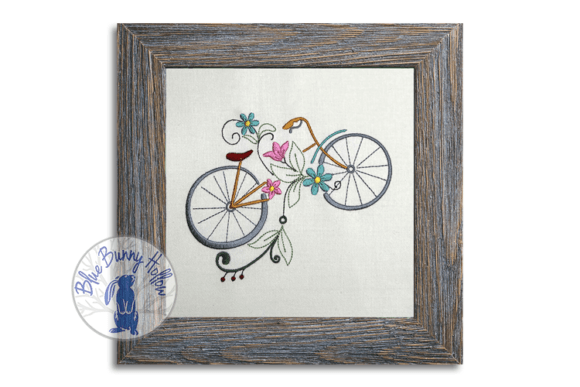
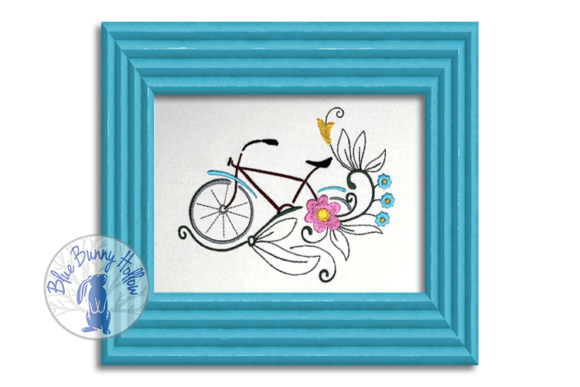
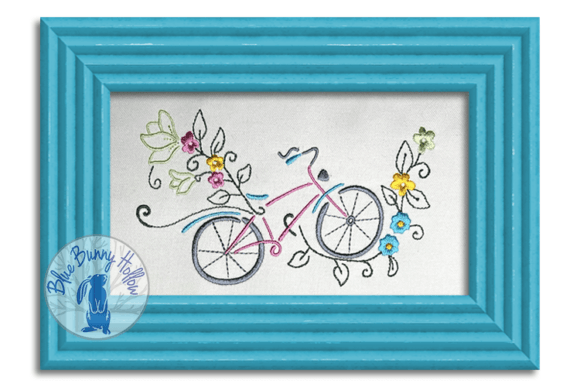
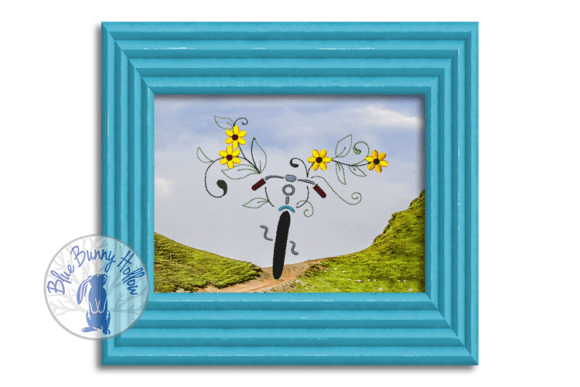
As an experienced embroidery designer who spends weekends setting up booths and weekdays refining digital files, I am always looking for that one design that transforms a simple tote bag into a conversation starter. When I first encountered Beautiful Ride 7, I immediately thought of the local craft fair market. This isn't just another generic pattern; it is a delightful embroidery design that captures the essence of leisurely cycling through nature s beauty. The artful composition features a charming bicycle adorned with intricate details that promise to add a touch of whimsy to any handmade product.
In this review, I will walk you through my professional assessment of Beautiful Ride 7. I will evaluate how this machine embroidery design performs on real-world items like aprons, tea towels, and caps, and determine if it has the potential to become a best-selling item in your Etsy shop or boutique collection.
First Impressions: The Mood of Leisure
The moment you open the file for Beautiful Ride 7, the aesthetic speaks volumes. It feels rustic yet modern, perfect for the farmhouse chic trend that continues to dominate the handmade market. The description highlights a "charming bicycle," which suggests a focal point that is both cute and elegant. For a craft fair seller, this is crucial because customers often decide within seconds whether they want to pick up an item.
This design does not feel cluttered or overly busy. Instead, it offers a soft, inviting look that appeals to nature lovers and cyclists alike. Whether you are creating a small shop product or a large commercial embroidery line, Beautiful Ride 7 strikes the right balance between decorative flair and wearable art. It works beautifully as a standalone piece on a pillow cover or as a subtle accent on a fabric pouch. The visual appeal is high, ensuring that your finished product looks premium even before the customer touches it.
Product Versatility: Where It Shines
One of the most important factors for any embroidery file is its versatility. Can it be used across multiple categories without losing its charm? My analysis suggests that Beautiful Ride 7 is incredibly adaptable for various craft fair products.
- Tote Bags: A tote bag design featuring this bicycle motif is a natural fit. The imagery of cycling through nature pairs perfectly with eco-friendly canvas bags. It serves as a statement piece that encourages people to talk about sustainability and outdoor activities.
- Apron Embroidery: Imagine this design centered on a denim or linen apron in a kitchen setting. It adds a playful, country-style vibe that home cooks and bakers would love. It transforms a functional tool into a giftable handmade item.
- Tea Towel Embroidery: On a flour sack towel, the intricate details of the bicycle can really pop. It makes for a fantastic housewarming gift or a booth sample that draws attention to your table display.
- Caps and Patches: While caps require careful consideration of curvature, a smaller version of Beautiful Ride 7 could work well as an embroidered patch or a front-center cap design. However, the size must be adjusted to ensure the details remain visible on a curved surface.
- Pillow Covers and Market Bags: For larger items like pillow covers, this design acts as a beautiful focal point. It elevates the perceived value of the item, allowing you to price it higher as a premium handmade product.
If you are a digital seller offering printable mockups, this design provides excellent assets for showcasing your work. Customers can visualize how the design assets look on different backgrounds, increasing their confidence to purchase.
Production Practicality and Sales Strategy
From a production standpoint, Beautiful Ride 7 seems designed for efficiency. The clarity of the lines suggests it should photograph well for online listings, which is vital for an Etsy seller trying to compete in a crowded marketplace. The design appears repeatable, making it ideal for batch production where you need to create ten identical aprons for a weekend market.
However, success depends on how well you understand the technical aspects. Is it a small accent or a large focal design? If the design includes tiny lettering or very fine lines, it might lose clarity when scaled down too much. Always test the design on scrap fabric to see how the stitch density interacts with your chosen material. Thick fabric or highly textured towels might hide the finer details of the bicycle, so lighter fabrics generally yield better results for this specific style.
When displaying at a craft fair, the contrast between the thread colors and the fabric is key. Bright, contrasting threads will make the bicycle stand out against dark fabrics, while pastel threads might blend too softly on light linens. Ensure your thread colors complement the natural theme of the design to maintain brand consistency.
Critical Care Notes for the Maker
Before you rush to print labels or list your items, there are several practical considerations to keep in mind. Not every design fits every situation perfectly.
- Dense Stitch Areas: Check the center of the bicycle wheel or frame. High stitch density can cause puckering on thin fabrics. You may need to adjust your tension or use a cut-away stabilizer to prevent distortion.
- Small Details: If the design includes text or very small spokes, verify that they will not get lost during the stitching process. Sometimes, what looks good on a screen disappears on cloth.
- Fabric Texture: Avoid using this design on heavily textured materials like boucle or thick wool unless you have tested it extensively. The needle needs a relatively smooth surface to penetrate cleanly.
- Curved Surfaces: For caps, the curve can stretch the fabric, potentially warping the circular elements of the bike. Use a specialized cap hoop and consider reducing the size slightly to accommodate the curvature.
- Dark Fabric: Dark backgrounds often require a underlay or a top layer of lighter thread to ensure the design is visible. Test your contrast ratio before committing to a full run.
Designer's Checklist for Success
To ensure your commercial embroidery project with Beautiful Ride 7 is a hit, follow these professional steps:
- Test on Scrap: Never skip the test run. Stitch the design on a scrap piece of the exact fabric you plan to sell.
- Check Hoop Size: Confirm the hoop size required by the file. If the design is larger than your machine's hoop, you will need to split it, which can affect the final look.
- Inspect Stabilizer: Use the right stabilizer for your fabric weight. Heavy-duty stabilizers are often needed for bags and towels to support the weight of the stitches.
- Create Mockups: Make at least one real mockup to photograph for your Etsy listing. Real photos build trust better than digital renderings.
- Compare Colors: Lay out your thread spools next to the fabric to ensure the colors harmonize. The mood of the design relies heavily on color choice.
- Verify Licensing: Before selling finished products, confirm the commercial licensing terms included with your download. Some files allow personal use only, while others permit selling up to a certain number of units.
In conclusion, Beautiful Ride 7 is more than just a pattern; it is a versatile tool for creative entrepreneurs. It captures the joy of the outdoors and translates it into tangible goods that customers will cherish. By paying attention to production details and understanding the nuances of machine embroidery, you can turn this design into a standout product that sells itself at your next craft fair or online store.