Little Helper Chef Kids Kitchen Apron Review
As an experienced embroidery designer who has stitched thousands of personalized items for clients, I know that the difference between a good gift and a memorable one often comes down to the design itself. When I first stumbled upon the Little Helper Chef Kids Kitchen Apron on Creative Fabrica, I immediately saw its potential for creating heartwarming handmade products. This isn't just another generic kitchen motif; it is a charming piece of art designed to bring joy to culinary adventures, whether for a toddler learning to cook or a young adult starting their own home.
In this review, I will share my professional perspective on how this machine embroidery design fits into real-world projects, from baby showers to Etsy shop bestsellers. My goal is to help you decide if this specific design deserves a spot in your digital library for future commercial or personal use.
First Impressions: Playful Charm and Visual Softness
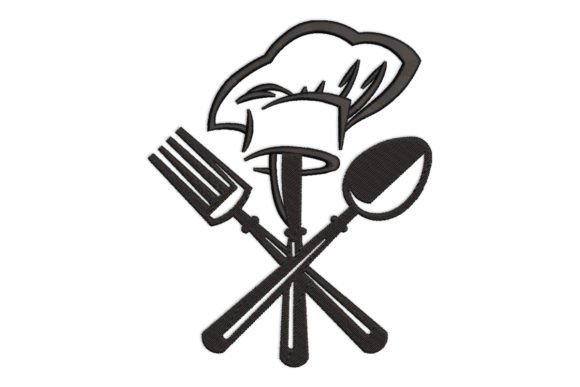
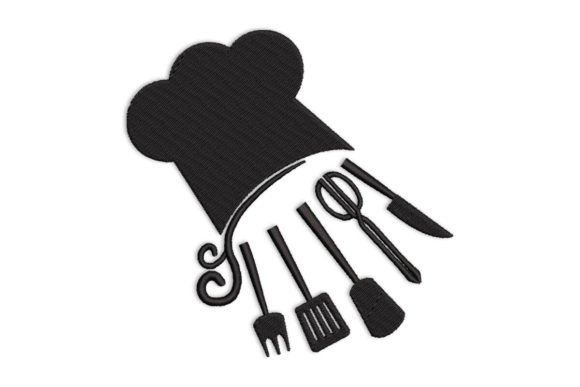
The moment you open the file for the Little Helper Chef Kids Kitchen Apron, the emotional appeal is undeniable. The design features a delightful chef s hat surrounded by playful utensils, capturing the essence of "helping out" with a touch of whimsy. Visually, it strikes a perfect balance between cute and clean. It feels sweet and cozy without being overly cluttered, which is crucial for embroidery where thread density can sometimes obscure details.
The aesthetic is modern yet classic enough to fit into any nursery or family kitchen. It exudes a sense of fun and creativity, making it ideal for celebrating milestones like a child's first birthday or a housewarming party. For sellers looking to create custom gift boxes or holiday keepsakes, this design offers a versatile theme that appeals to parents and grandparents alike. It transforms a simple apron or towel into a story about growing up and learning new skills.
Perfect Projects for Little Helper Chef Kids Kitchen Apron
One of the strongest aspects of this embroidery file is its adaptability across various product categories. As a designer, I always look for designs that offer multiple revenue streams or gifting opportunities. Here is how I envision using the Little Helper Chef Kids Kitchen Apron in my workflow:
- Baby Embroidery and Nursery Decor: This design is a natural fit for baby blankets and crib bumpers. The soft, rounded shapes of the chef hat work beautifully on plush fabrics, creating a gentle focal point for a nursery dedicated to little foodies.
- Wedding Gifts and Housewarmings: Imagine stitching this onto a high-quality linen tea towel or a set of matching aprons for a newlywed couple. It adds a personalized touch that elevates a standard wedding gift into a cherished family keepsake.
- Pillow Covers and Home Accents: A square pillow cover featuring this motif brings instant character to a kitchen nook or a playroom. It serves as excellent custom embroidery for those who love decorating their homes with handmade flair.
- Etsy Shop Products and Craft Fairs: For Etsy sellers and small business owners, this design is a goldmine. You can create tote bags for cooking classes, custom gift sets for birthdays, or even printable mockups to showcase your services before taking orders.
- Commercial Embroidery Projects: If you run a print-on-demand service or a local boutique, this digital embroidery file allows you to offer personalized items quickly. Customers love seeing their child s name paired with a cute chef graphic.
Practical Considerations for the Embroidery Artist
While the concept is wonderful, the execution relies heavily on technical skill and material choice. Before you start stitching hundreds of units for sale, there are several practical concerns to address regarding the Little Helper Chef Kids Kitchen Apron.
Stitch Density and Small Details
The design includes delicate shapes representing utensils and the brim of the hat. In my experience, fine lines can sometimes break up if the fabric is too textured or if the stitch density is too high. I recommend checking the stitch count provided in the file details. If the design is dense, ensure you are using a high-quality cut-away stabilizer to prevent puckering, especially when working on thin cotton aprons.
Fabric Texture and Thread Contrast
You will want to test this on the specific fabric you plan to sell. Textured towels can hide the definition of the chef s hat, while stretchy baby clothes might require additional hooping techniques to maintain stability. Choosing the right thread colors is also critical. Lighter threads may get lost on white fabric, so consider using a slightly darker shade for the outline to ensure the design pops against the background.
Hoop Size and Machine Compatibility
Always verify the recommended hoop size in the product description on Creative Fabrica. A design intended for a 4x4 hoop will not work on a large jacket without resizing, which can distort the aspect ratio. Ensure your machine can handle the file format (usually .dst, .pes, .exp, etc.) and that the design dimensions fit your intended finished product.
Building Trust Through Handmade Quality
In the world of online selling, perceived quality is everything. When a customer receives a gift embroidered with the Little Helper Chef Kids Kitchen Apron design, they are buying more than just a pattern; they are buying the sentiment of care. A well-executed stitch job with crisp edges and consistent tension signals professionalism.
This design enhances product photography significantly. Because the theme is playful and bright, it photographs exceptionally well on lifestyle backgrounds, such as a wooden cutting board or next to fresh ingredients. These images drive buyer engagement and trust. When customers see a sharp, clean embroidery on a finished product, they are more likely to believe in the durability of the item and the reliability of your shop.
Furthermore, the emotional value of a personalized gift cannot be overstated. Adding a name to the Little Helper Chef Kids Kitchen Apron design creates a unique narrative. It turns a mass-produced apron into a one-of-a-kind heirloom. This level of customization is what separates top-tier small shop products from generic inventory.
Essential Technical Steps Before You Stitch
To ensure your finished product meets the highest standards, follow these practical steps based on my years of designing and stitching:
- Create a Test Stitch-Out: Never skip this step. Always stitch a sample on scrap fabric that mimics the texture and weight of your final project. This helps you identify any potential issues with thread breaks or misalignment.
- Check Small Details: Zoom in on your screen or print a preview to inspect the tiny elements of the utensils. Ensure they are large enough to be distinct after stitching.
- Compare Thread Colors: Lay out your thread spools against the design preview. Sometimes a color looks great on screen but appears muddy in person. Adjust your palette if necessary to maximize contrast.
- Test on Similar Fabric: If you are planning to embroider on dark fabric, test a satin stitch or fill stitch to see how the underlay covers the base color. You may need to adjust the stabilizer type.
- Confirm Product Details and Licensing: Before selling any finished items, review the licensing terms on Creative Fabrica. Ensure you have the commercial rights to sell physical goods made with the Little Helper Chef Kids Kitchen Apron design.
Ultimately, the Little Helper Chef Kids Kitchen Apron is a fantastic addition to any embroidery collection. It combines technical feasibility with deep emotional resonance, making it a smart choice for both hobbyists and professional handmade product creators. Whether you are crafting a special gift for a neighbor or building a robust line of personalized gifts for your store, this design promises to deliver charm and quality in every stitch.