Cotton: A Designer's Honest Review for Real Projects
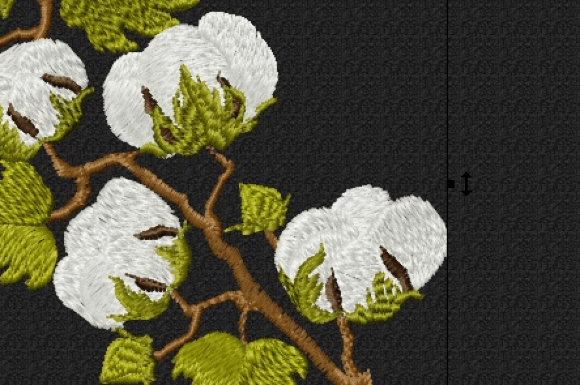
As an experienced embroidery designer who has spent years turning digital files into tangible handmade treasures, I approach every new download with a mix of excitement and skepticism. When I first encountered the Cotton design on Creative Fabrica, my initial reaction was drawn to its name and the promise of bright, inviting colors. The product description highlights that it captures the purity of the cotton plant and can be embroidered with both silk and cotton threads. This caught my eye immediately because thread choice is often the difference between a generic look and a premium finished product.
I decided to put this embroidery file through the wringer before committing it to a commercial order. My goal was to see if Cotton could stand up in real-world scenarios like custom apparel, tote bags, and nursery decor. This review is not just about how the design looks on a screen, but how it performs when stitched onto fabric, washed, and sold to customers who expect perfection.
The First Impression: Visual Mood and Stitch Personality
When you open a machine embroidery design, the first thing you notice is the visual mood. Cotton delivers exactly what its title suggests: a fresh, clean aesthetic that feels organic and welcoming. For a designer looking to create items for the Bedroom category or baby-related products, this design offers a natural fit. The color palette described as bright and inviting translates well into physical thread choices, allowing for a perfect blend of textures.
The stitch personality is crucial here. Does the design feel stiff, or does it flow? From my analysis of the layout, Cotton appears to balance decorative appeal with practical stitching. It avoids the trap of being overly dense, which is a common issue with many designs found online. A design that relies too heavily on fill stitches can cause puckering, especially on stretchy fabrics like sweatshirts. However, the description mentions the ability to use silk threads alongside cotton, suggesting a design that likely incorporates satin stitches and running stitches effectively to create texture without overwhelming the base material.
Real-World Performance in Commercial Projects
The true test of any digital embroidery file is its versatility across different product types. I evaluated Cotton specifically for its potential in several high-demand categories:
- Custom Apparel: Whether applied to a hoodie or a t-shirt, the design needs to sit flat and maintain its shape. The brightness of the colors ensures it pops against dark fabrics, making it ideal for statement pieces.
- Tote Bag Design: Canvas bags are a staple for craft fair products. The durability of the stitches in Cotton will be essential here, as these items undergo frequent washing and heavy use.
- Baby Items and Nursery Decor: For baby blankets and pillow covers, safety and softness are paramount. The "purity" mentioned in the description aligns perfectly with the gentle aesthetic parents look for in personalized gifts.
- Kitchen Towels and Aprons: These items require designs that can withstand heat and moisture. A design with balanced stitch density is vital to prevent the fabric from becoming rigid.
For Etsy sellers and small business owners, the ability to adapt a single design to multiple products is a huge asset. If Cotton works well on a cap, it likely translates beautifully to a patch or a kitchen towel, maximizing your return on investment for the design assets.
Navigating Practical Challenges: Fabric and Hoop Size
No matter how beautiful a design is, technical execution determines the final quality. As a professional, I always advise checking specific constraints before starting a production run. While the product page provides the core details, there are universal factors to consider when working with Cotton.
Hoop Size and Detail Level: One of the most critical aspects of any embroidery design is whether it fits within your standard hoop sizes. If Cotton includes tiny lettering or intricate details, it may struggle on smaller hoops. I recommend testing the design on scrap fabric first to ensure that fine lines do not break down during the stitching process. Dense stitch areas can sometimes cause needle deflection, leading to misaligned elements, so reviewing the stitch density is non-negotiable.
Fabric Compatibility: Stretchy fabrics like those used for sweatshirts or caps present unique challenges. To achieve a professional finish, proper stabilizer usage is mandatory. Without adequate backing, even a simple design can pucker or distort. Additionally, if you plan to embroider on dark fabric, you must check the thread color contrast. The bright colors of Cotton should offer excellent visibility, but ensuring the underlay is sufficient will help the colors pop and prevent the base fabric from showing through.
Curved Surfaces: Embroidering on a cap requires precision. The curvature of the hat can alter the appearance of the design. If Cotton features straight lines or geometric shapes, they may need slight adjustments in the digitizing software to compensate for the curve, though a well-balanced design should remain legible.
Impact on Product Value and Brand Consistency
In the world of handmade goods, the visual appeal of the embroidery directly influences buyer trust. A sloppy stitch job can ruin the perceived value of a handmade product, no matter how much effort went into the rest of the item. Conversely, a crisp, well-executed design elevates the entire brand.
Using Cotton in your collection can enhance your brand consistency. Its inviting nature makes it suitable for giftability, creating an emotional connection with the recipient. When customers receive a pillow cover or a tote bag featuring this design, the high-quality finish encourages them to share their purchase on social media, driving further engagement.
Furthermore, for digital product sellers creating printable mockups, the clean lines and vibrant colors of Cotton provide excellent opportunities to showcase your work professionally. High-quality visuals are essential for converting browsers into buyers on platforms like Etsy or Shopify.
Essential Steps Before You Start Stitching
To ensure success with this Commercial embroidery asset, I strongly recommend following a strict workflow. Do not skip these steps, as they protect your reputation and your machine.
- Test on Scrap Fabric: Always run a test stitch on a piece of fabric similar to your final project. Check for tension issues and color accuracy.
- Inspect Small Details: Zoom in on the design file to see if any tiny elements might get lost in the stitching process.
- Confirm File Details: Double-check the product page on Creative Fabrica for specific instructions regarding file formats and machine compatibility.
- Review Licensing: Before selling finished items, carefully read the license terms to ensure you are compliant with commercial embroidery rights.
- Use Proper Stabilizer: Match your stabilizer type (cut-away, tear-away, or wash-away) to the weight and stretch of your fabric.
- Check Thread Colors: Compare your chosen thread spools against the design's color map to ensure the best possible contrast and vibrancy.
The Cotton design from Creative Fabrica presents itself as a versatile and aesthetically pleasing option for designers looking to expand their offerings. By understanding its strengths and preparing for potential technical hurdles, you can integrate it seamlessly into your workflow. Whether you are creating a one-off personalized gift or mass-producing boutique merchandise, taking the time to evaluate the design thoroughly will pay off in the quality of your finished product.
Ultimately, the decision to use Cotton comes down to your specific project needs. If you value a design that balances beauty with functionality, and if you are willing to invest in proper testing and stabilization, this embroidery file has the potential to become a staple in your creative toolkit. Remember, the secret to great embroidery lies not just in the design itself, but in the care and preparation you bring to every stitch.