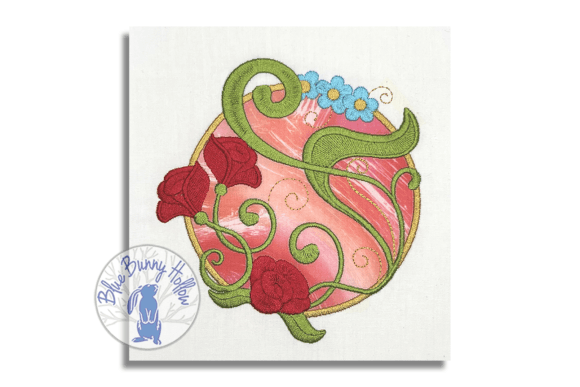
Floral Ring 4: A Designer's Real-World Review
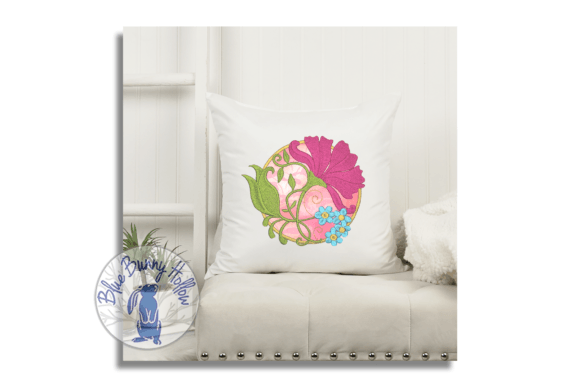
When I first opened the file for Floral Ring 4, my immediate reaction wasn't about the stitch count or the file format. It was about the mood. This isn't just a generic circle of petals; it feels like a carefully curated garden corner captured in thread. As someone who spends hours evaluating machine embroidery design files for client work and my own small shop, I look for that specific spark that tells me a design will hold up under pressure. This piece from the Floral Wreaths category definitely has one.
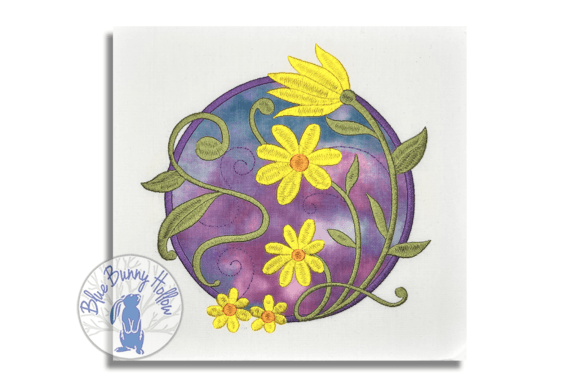
The description mentions an "appliqued circle," which immediately signals to me that this is a layered project. The concept of adding fabric shapes before stitching over them with flowers and leaves creates depth that flat satin stitches often lack. It brings a touch of nature's beauty to your creations, but more importantly, it adds a tactile quality that customers love to touch. Whether you are a seasoned embroiderer or a creative entrepreneur looking to expand your inventory, understanding how this design translates from screen to fabric is crucial.
Visual Personality and First Impressions
The layout of Floral Ring 4 strikes a balance between elegance and approachability. It doesn't scream for attention with chaotic details, nor does it feel too sparse to be interesting. The arrangement of the flowers and leaves suggests a natural growth pattern rather than a rigid geometric shape. This organic flow makes it incredibly versatile. It works beautifully as a central focal point on a garment or as a subtle accent on home decor items.
For those of us who sell finished products, visual appeal directly impacts perceived value. A design that looks crisp and well-composed in a digital mockup can sometimes fall apart when stitched. However, the structure here seems robust. The circular form provides a contained space for the eye to travel, making it ideal for branding where consistency matters. If you are building a brand identity around nature, wellness, or handmade aesthetics, this design aligns perfectly with those values.
Real-World Application: From Tote Bags to Nursery Decor
Let's talk about putting this into practice. Imagine you are preparing a custom embroidered tote bag for a local craft fair. You need something that stands out on a rack full of simple logos. Placing Floral Ring 4 on a canvas tote would be stunning. The applique element would add texture against the rough canvas, while the floral details provide a soft contrast. Customers walking by would likely stop to inspect the craftsmanship because the design invites close observation.
I also see this design thriving in the realm of personalized gifts. Picture a baby onesie or a nursery pillow cover. The gentle curves and botanical theme are timeless. Unlike trendy graphics that might fade in popularity, a classic floral wreath remains relevant season after season. For a boutique selling baby items, this could become a signature product. The ability to stitch it with or without the applique base (depending on your setup) gives you flexibility. You can create a lighter version for delicate baby clothes or a heavier, more textured version for adult apparel like sweatshirts.
Another strong contender for this design is kitchen linens. Embroidered tea towels and aprons are huge sellers in the handmade market. The circular shape fits nicely on the corner of a towel or centered on an apron bib. When used on a linen or cotton blend, the flowers pop beautifully. It transforms a utilitarian item into a decorative piece that people want to display, not just use. This elevates the product from a basic commodity to a thoughtful gift.
Where to Exercise Caution
While Floral Ring 4 is a strong candidate for many projects, an experienced designer knows that no single design is perfect for every scenario. There are specific situations where you need to be careful. If you are working with very small hoop sizes, you must verify the dimensions of the design file. Large floral details can get lost if they are compressed too much, losing the intricate beauty of the leaves and petals.
Fabric choice is another critical factor. Applique designs generally require stable fabrics. Stretchy knits can distort the circular shape during stitching, leading to puckering that ruins the professional look. Similarly, thin fabrics might not support the weight of the applique layers and dense fill stitches without tearing or sagging. If you plan to use this on a cap or hat, the curved surface adds another layer of complexity. You will need to ensure the machine can handle the curvature without the tension going off, which can cause the satin stitches to gap.
Dense stitch areas are common in applique work, so stabilizer selection is non-negotiable. Using the wrong backing can lead to pull-out threads or a stiff, uncomfortable final product. For commercial embroidery projects intended for frequent washing, such as work uniforms or kids' clothing, you must test the durability. Ensure the applique edges are securely covered by the top stitching so they don't fray after a few cycles in the dryer.
Impact on Product Value and Brand Trust
In the world of Etsy sellers and small business owners, the quality of your embroidery speaks volumes about your brand. A sloppy stitch job can erode customer trust instantly. Conversely, a clean, well-executed embroidery project builds confidence. Floral Ring 4, when executed correctly, signals professionalism. It shows that you care about the details, from the thread color contrast to the precision of the cut-applique pieces.
This design enhances the "handmade" feel that buyers crave. In a market saturated with mass-produced goods, the slight variations and texture of hand-placed applique make each item unique. This uniqueness drives engagement and allows you to command a higher price point. When customers receive a personalized gift featuring this design, they are more likely to share it on social media, providing free marketing for your shop. The design acts as a conversation starter, drawing people in and prompting questions about where it was made.
Practical Notes for the Designer
Before you commit to running a batch of orders using Floral Ring 4, there are a few technical steps you should take. First and foremost, always test the design on scrap fabric that matches your final project material. This helps you gauge the stitch density and see how the colors interact with the background fabric. What looks vibrant on a white screen might appear muted on a dark gray shirt.
Review the stitch types included in the file. Understanding where the satin stitch transitions to fill stitch or running stitch will help you optimize your threading sequence. Check whether the design works for both personal and commercial projects by reviewing the license terms provided with the file. Some digital embroidery files restrict resale, so confirming these details protects your business.
If you are creating printable mockups for your listings, test the design in black and white first to ensure the composition holds up without color. Compare light and dark fabric backgrounds to see which offers the best contrast. Proper stabilizer usage is key; don't skimp on the backing, especially for applique work. Finally, inspect the small details closely. Are the flower centers clear? Do the leaves have enough definition? These tiny elements are what separate a good design from a great one.
Floral Ring 4 is more than just a pretty image; it is a tool for creating high-value, meaningful products. By approaching it with a critical eye and practical preparation, you can leverage its natural beauty to enhance your offerings, satisfy your clients, and grow your craft business with confidence.